Examining Data Demands for 3pl Audit Software
Selecting 3pl Audit Software calls for more than comparing features. Services ought to first determine whether a 3PL supplier audit software system can approve, organize, and verify the functional and invoicing information that forms their logistics expenses.
A beneficial analysis begins with the information currently created by service providers, stockrooms, transportation administration systems, venture resource planning platforms, and 3PL companions. Recognizing those sources assists groups identify compatibility spaces prior to application.
FreightOptics sells 3pl Audit Software.
Beginning With Operational Data Sources
Functional information provides the context required to evaluate whether a charge matches the service that was asked for and delivered. Pertinent documents may include shipment dates, beginning and location areas, solution degrees, package or pallet details, weights, dimensions, tracking identifiers, distribution status, accessorial occasions, and storehouse activity.
Organizations need to review exactly how this information is saved and exchanged. Some partners may provide organized data, while others use system integrations, portals, or standard digital papers. Throughout evaluation, confirm whether the software application can bring these sources together without requiring extensive handbook prep work. It needs to additionally maintain key identifiers so shipment, order, invoice, and distribution documents can be connected precisely.
Analyze Invoicing and Agreement Details
Payment information is central to an audit since billings include the quantities that need to be examined. Important areas can include invoice numbers, billing dates, delivery recommendations, billed solutions, base transport charges, fuel fees, accessorial charges, taxes, credit scores, changes, and settlement status. For storage facility and satisfaction task, organizations may also need storage space, handling, pick-and-pack, getting, returns, and special service charges.
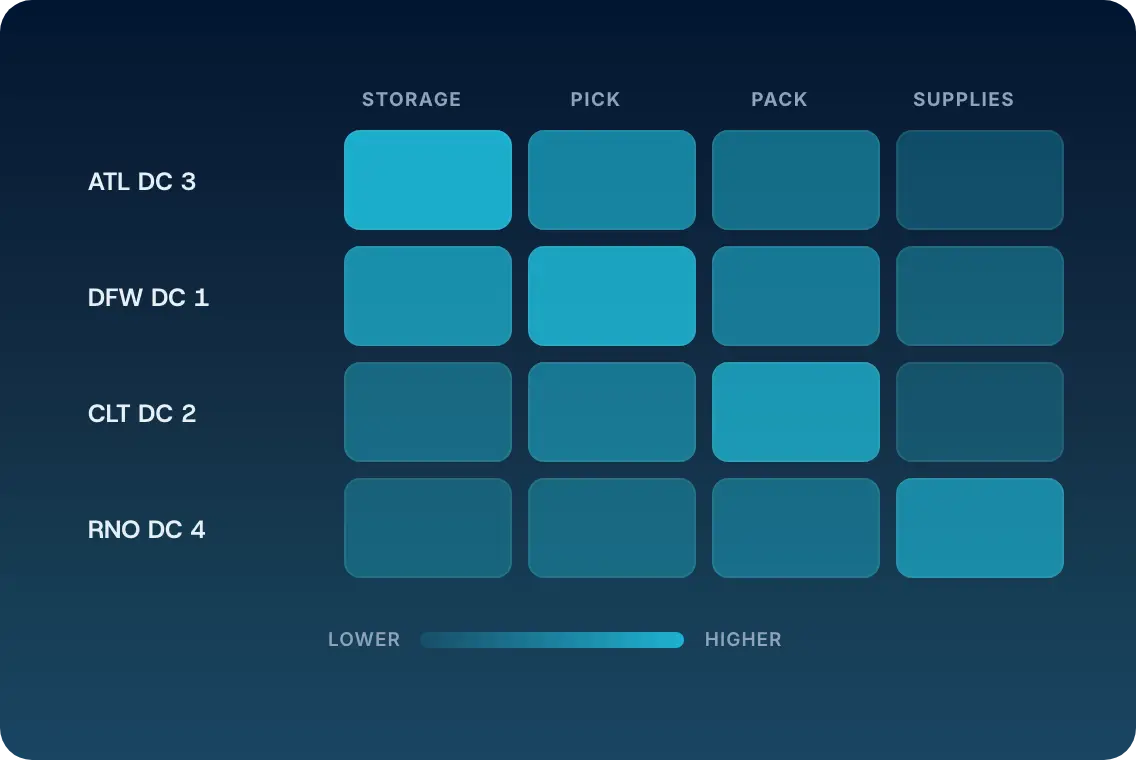
Agreement and rate information is worthy of equal focus. A system may require to evaluate bargained rates, minimum charges, dimensional rules, gas schedules, area interpretations, additional charge problems, money requirements, and reliable days. Ask exactly how these terms are represented and maintained, especially when arrangements vary by service provider, client, facility, lane, or solution type. Clear support for versioned rules can help make sure an invoice is analyzed against the terms that used when the service took place.
Assess Data Quality and Matching Demands
Also capable audit software relies on trustworthy resource information. Examination groups need to examine replicate documents, missing out on tracking numbers, irregular address styles, clashing weights, device distinctions, insufficient accessorial codes, and date or time-zone disparities. They should likewise recognize which fields are required for matching billings to deliveries, orders, contracts, and proof-of-delivery details.
A solid analysis includes representative examples as opposed to just clean test data. Use normal deliveries, exemptions, returns, international activities, multi-package orders, and billings containing credit reports or contested costs. This reveals whether the platform can determine connections across records and clarify why a fee was accepted, flagged, or declined.
Think About Reporting, Controls, and Information Access
The value of audited data extends past finding individual inconsistencies. Services may require summaries by carrier, center, customer, service level, lane, delivery kind, or invoicing duration. They may additionally wish to distinguish recoverable mistakes from legitimate costs and keep an eye on reoccuring problems. Validate that the software application can supply helpful reporting while retaining the transaction-level information required for evaluation.
Information access and administration must belong to the analysis as well. Testimonial customer approvals, audit backgrounds, export alternatives, retention techniques, and the capability to record decisions or corrections. These abilities support collaboration amongst logistics, money, procurement, and operations groups without losing the original record or the thinking behind a change.
Develop an Assessment List
Prior to choosing a system, create a checklist that maps each called for information resource and area to a service purpose. Include functional events, billings, price contracts, account frameworks, exemption codes, and reporting needs. Record the anticipated layout, upgrade frequency, liable proprietor, and any type of change needed before the information can be utilized.
FreightOptics provides 3rd Celebration Logistics Audit services, and its 3pl Audit Software can be considered along with the company's existing systems, companion requirements, and audit processes. A concentrated evaluation of information needs assists businesses select software application that fits their functional environment and supports constant, explainable payment evaluation.
FreightOptics 2200 N Commerce Pkwy #200, Weston, FL 33326, United States +1 800-578-4939
Ends · TYSONZMMZ786